How to Automate Business Processes in 2025: CRM & ERP in Ukraine
06 October, 2025
508 views
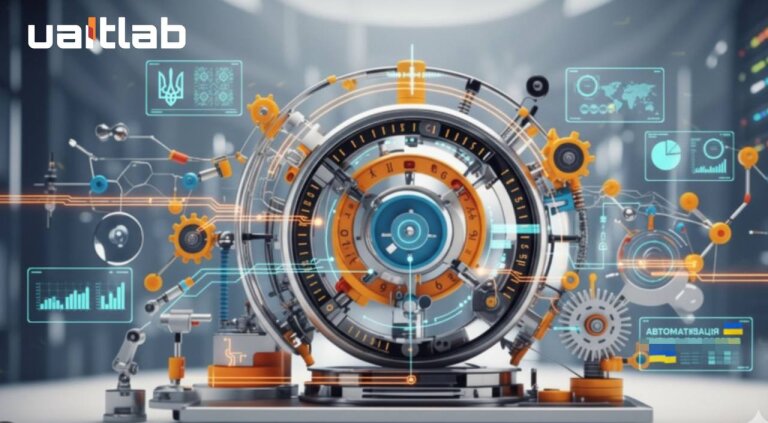
Automation in Ukrainian business has long ceased to be a buzzword. It has become a matter of survival. In 2025, companies that still operate “manually” risk not only losing clients but also being pushed out of the market.
Case studies of CRM and ERP implementation in local companies show: it’s not just about technology. It’s about management culture, team readiness to change approaches, and seeing data as a strategic resource.
CRM: from chaos in messengers to a single system
A few years ago, a typical sales department looked like this: dozens of Excel spreadsheets, conversations in Telegram and Viber, lost contacts, and “forgotten” leads.
In 2025, CRM systems in Ukraine are no longer a luxury. Small businesses are massively switching to ready-made cloud solutions, while medium and large ones are ordering customized products.
Retail case: a Kyiv coffee chain with 12 outlets implemented a CRM to keep delivery and loyalty programs under control. Previously, clients complained that their bonuses “disappeared.” After the system launch, sales grew by 18% within six months — thanks to transparent accounting and personalized offers.
ERP: when a business outgrows Excel
ERP systems are more complex, but they integrate everything: procurement, warehouses, finance, HR.
Manufacturing case: a Kharkiv cable plant, relocated in 2022, continued to operate in the old way for several years. But as volumes grew, it became clear that data was scattered between accounting, warehouse, and procurement. In 2024–2025, the company implemented ERP. This allowed it to synchronize production planning with logistics and cut warehouse stocks by 22%.
These figures are not about “IT miracles.” They are about resource control — which, in times of crisis, means financial resilience.
Challenges and mistakes
- Team resistance: implementation often stalls not because of technology, but because of people. “Why do we need this new system? Excel works.” But it’s the company culture that defines automation success.
- Wrong product choice: Ukrainian companies often buy what’s “trendy” rather than what they really need. The result — overspending and disappointment.
- Lack of integration: CRM without connection to ERP or accounting works “half-blind.”
Ukrainian context in 2025
Amid war and turbulence, Ukrainian companies are looking for ways to work more efficiently. Automation has become not just a tool for optimization, but a way to stay afloat.
- Small businesses choose simple CRMs with mobile apps — so that owners can manage even from a bomb shelter.
- Medium and large businesses go for ERP — to unify processes and plan ahead.
- IT contractors offer flexible solutions, often based on Ukrainian developments, making implementation cheaper than with European competitors.
2025 shows that automation is not only about faster sales or nice dashboards. It’s about the ability of a business to survive and grow in a world without stability.
CRM and ERP are tools that teach companies to work transparently, systematically, and data-driven. And they free up entrepreneurs’ and managers’ time for what matters most — growth, strategy, and new opportunities.