Automating Stock Levels and Pricing for Online Stores
19 June, 2026
178 views
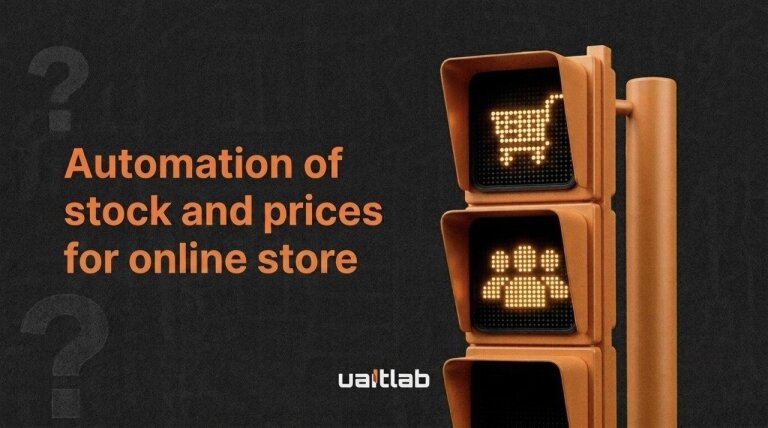
The classic bait-and-switch tactic of offering a "discounted item that just ran out of stock," followed by a sales rep's excuses like "unfortunately, that item is unavailable, but we can find an alternative for you," has long stopped working. For today's shoppers, this doesn't encourage an alternative purchase—it destroys their trust in the brand.
The companies that win in the market are those capable of displaying an up-to-date price, real availability at a specific warehouse, and precise delivery terms on the screen—and most importantly, delivering exactly what was stated on the website at the moment the order was placed.
For large online stores managing dozens of suppliers, multiple warehouses, and diverse logistics scenarios, catalog management often turns into a dangerous game. The business is constantly at risk, racing to see who will find outdated website data first—their own team or a frustrated shopper.
Why Manual Inventory Management Leads to Losses
The primary technical mistake lies in treating product pricing and availability as mere text fields in a website's admin panel or a basic file for import.
In reality, these metrics are the output of synchronized operations across multiple internal systems: inventory accounting, supplier databases, supply chains, and the marketing department. If the architecture of these connections is not thoroughly planned out during the design and development phases of the online store, the web resource begins to live a life detached from reality.
This leads to consequences that are critical for e-commerce:
Virtual Stock: A product is available for order on the website but is physically missing from all warehouses.
Advertising Discrepancies: Prices in product feeds for Google Shopping or targeted ads do not match the actual cost in the shopping cart.
Margin Losses: Marketing promotions overlap, "eating away" at the company's net profit, or fail to apply on schedule.
Operational Chaos: Sales managers waste working hours running manual stock checks and "putting out fires" while dealing with complaining customers instead of closing deals.
The average customer does not analyze the complexities of your internal workflows. When faced with inaccurate data, they come to one simple conclusion: this store cannot be trusted. And they switch to competitors.
The Foundation for Scaling Large Catalogs
When developing an online store for a rapidly growing e-commerce business, platform architects must embed a clear inventory management logic in advance. This includes four mandatory components:
Single Source of Truth: The website must rely on one central hub for synchronizing pricing and stock data. This could be an ERP, CRM, or PIM system with which the online store exchanges information in real-time or via ultra-fast, minute-by-minute update intervals.
Out-of-Stock Logic: Instead of manipulating customers with an imaginary sense of scarcity, the platform must implement transparent scenarios: automatically replacing the "Buy" button with a "Notify Me When Available" option, offering pre-orders with a definitive waiting timeframe, or automatically hiding product pages that a supplier has discontinued.
Flexible Scenarios for Marketing Activities: Rules for sales, personal discounts, and promo codes must be written at the code and database levels. This allows large-scale promotional campaigns to launch automatically at a specified time, accurately calculating the final price in the cart without requiring developers or extra manual control from managers.
Transparent Data Update Guidelines: The content and procurement teams must have strict workflows and user-friendly interfaces to monitor integrations. Any error during a supplier data upload must be logged so that technical specialists can resolve the glitch before the end customer notices it.
Warehouse synchronization, automated pricing, and data accuracy are not optional features to be implemented later down the road. They form the foundational infrastructure, without which any attempt to scale e-commerce collapses into chaos.
That is why developing an online store with large catalogs cannot be built on top of off-the-shelf templates or quick website builders. It demands the creation of a tailored, custom system capable of handling real loads, supporting the complex operational processes of the company, and meeting the expectations of demanding clients.