Як побудувати ІТ-інфраструктуру малого бізнесу без зайвих витрат
23 жовтня, 2025
414 переглядів
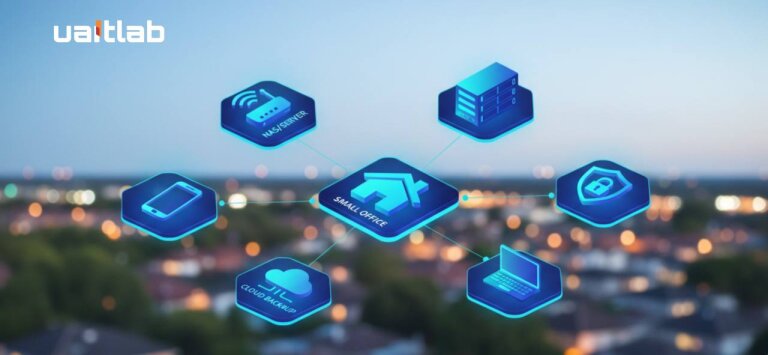
Побудова ІТ-інфраструктури для малого бізнесу — це як зведення фундаменту перед будівництвом будинку. Якщо зробити все грамотно з самого початку, компанія зможе розвиватися без хаосу, зайвих витрат і болючих міграцій між сервісами.
У більшості українських підприємців є спокуса почати з безкоштовних рішень: кілька Google-дисків, Telegram для комунікації, Excel-таблиці для звітності. Але з часом ці фрагменти починають конфліктувати між собою — процеси сповільнюються, а витрати на підтримку хаосу ростуть.
З чого варто почати, щоб не витратити зайвого?
Насамперед — із карти бізнес-процесів. Потрібно розуміти, які завдання повторюються щодня: продажі, документообіг, облік, комунікація, маркетинг. Далі визначається, що можна автоматизувати. Часто 60–70% дій співробітників — це рутина, яку можна спростити.
Після цього формується мінімальний набір ІТ-інструментів. Для малого бізнесу достатньо трьох опор:
- Хмарне середовище. Це може бути Google Workspace або Microsoft 365. Вони забезпечують синхронізацію файлів, пошту, календар і базовий захист.
- CRM-система. Навіть проста CRM — це вже впорядковані продажі, нагадування, аналітика. Головне — не обирати надто складну: краще мати 5 потрібних функцій, ніж 50 зайвих.
- Система управління завданнями. Trello, ClickUp чи Notion допомагають структурувати роботу команди.
Важливо одразу продумати безпеку: двофакторна авторизація, резервні копії, обмеження доступу за ролями. Це не розкіш, а мінімальна вимога часу.
Наступний етап — інтеграції. Підключення CRM до сайту, бухгалтерії або онлайн-платежів знімає величезну кількість ручних дій. Такі зв’язки не обов’язково будувати «з нуля» — часто вистачає готових API або простих сценаріїв через Zapier.
Найголовніше — не намагатися зробити все одразу. IT-інфраструктура повинна рости разом із бізнесом. Почати можна з 2–3 базових рішень і поступово масштабувати систему, додаючи нові модулі. Це дешевше, ніж одразу купувати «все в одному», а потім не використовувати половину функцій.
Для українських компаній сьогодні пріоритетом стає цифрова автономія — створення власного середовища, незалежного від зовнішніх обмежень і ризиків. Це не тільки економія, а й стабільність у кризовий час.
Побудова ІТ-інфраструктури — це не про техніку, а про бачення. Коли процеси логічно пов’язані, а кожен елемент системи має сенс, бізнес отримує не просто автоматизацію, а новий рівень керованості й ефективності.