Cybersecurity Technologies Ukrainian Companies Are Adopting in 2025
01 October, 2025
435 views
Introduction
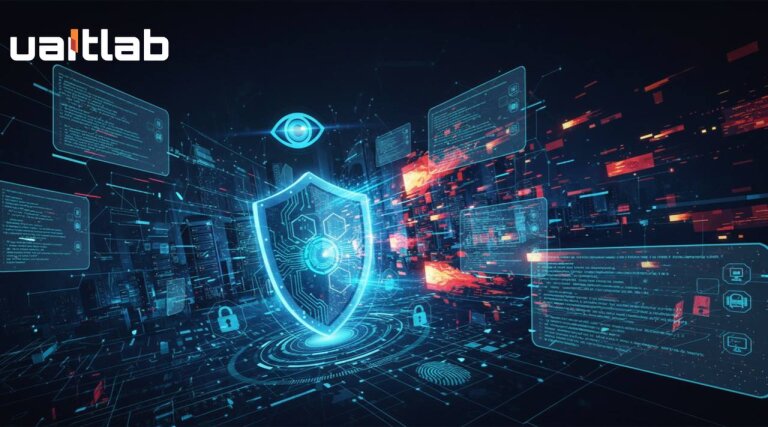
The year 2025 has become a turning point for Ukrainian businesses not only in terms of digitalization but also in the field of cybersecurity. The number of attacks has increased significantly: from phishing emails and data leaks to sophisticated cyberattacks targeting critical infrastructure. In wartime conditions, cyberspace has become another battlefield, and companies can no longer afford to save on data protection. Today, cybersecurity is not an expense but a mandatory investment in the future of business.
Key technologies implemented by Ukrainian companies
- Zero Trust Architecture
The “trust no one” model is becoming the standard. Users and devices are verified at every access attempt, even if they are already inside the corporate network. This minimizes the risks of internal leaks and attacks through compromised accounts. - Multi-Factor Authentication (MFA)
Login with only a username and password is long gone. MFA with SMS codes, authenticator apps, or biometrics protects companies from 90% of common account-based attacks. - SIEM systems and SOC
Security Information and Event Management (SIEM) systems combined with Security Operations Centers (SOC) give businesses real-time visibility into attacks. This allows for rapid response and prevention of large-scale disruptions. - EDR/XDR solutions
Extended Detection and Response is the next level of endpoint protection: from laptops and smartphones to servers. These solutions detect abnormal activity and automatically block threats. - Encryption and Backup
Ukrainian companies increasingly adopt the “3-2-1” policy: three data copies, on two different media, with one stored in the cloud. This minimizes the risk of data loss during attacks or physical infrastructure damage. - AI/ML in Cybersecurity
Artificial intelligence helps analyze millions of logs, detect suspicious patterns, and even predict potential attacks. This significantly speeds up the work of security teams.
Ukrainian context: who is implementing
- The banking sector actively uses machine learning to monitor transactions and fight fraud.
- Retail and e-commerce implement DLP (Data Loss Prevention) and tokenization to protect customer data.
- Manufacturing enterprises are switching to segmented corporate networks to separate critical systems from general access.
Challenges for businesses
- Talent shortage: there is a lack of Ukrainian cybersecurity specialists, while demand keeps growing.
- High costs: not all companies are ready to invest in expensive tools, but the cost of incidents is always higher.
- Continuity: threats evolve daily, so systems must be constantly updated and tested.
Conclusion
Cybersecurity has already become a key condition for business survival. Zero Trust, MFA, EDR, and AI solutions are gradually becoming the basic standard. The question is not whether to implement cybersecurity, but what to prioritize first. Companies building strong security systems today will gain the most important asset tomorrow — the trust of their clients and partners.